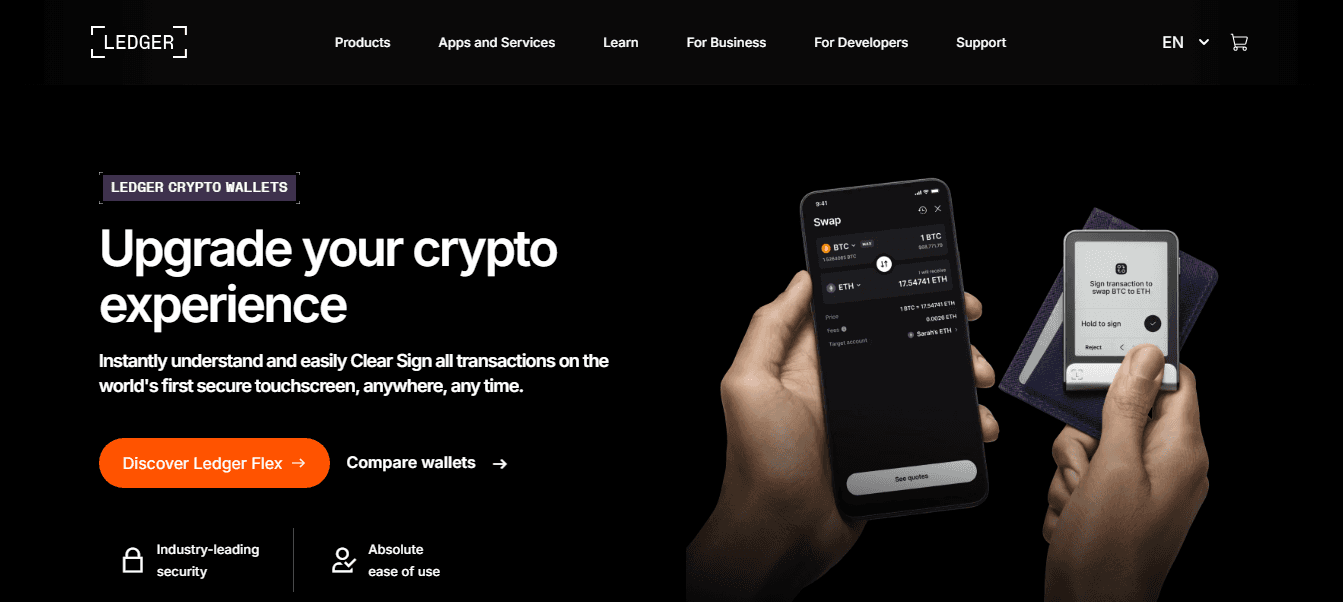
Ledger Live – Smart and Secure Control for Your Crypto Assets
As cryptocurrency becomes a long-term investment choice for many users, secure asset management has become essential. Simply holding crypto on exchanges or software wallets exposes users to unnecessary risks. Ledger Live is a dedicated application created to work with Ledger hardware wallets, offering a secure and convenient way to manage digital assets while maintaining complete ownership.
This article explores how Ledger Live works, why it matters, and how users can benefit from its security-focused design.
Introduction to Ledger Live
Ledger Live is the official management application for Ledger hardware wallets. It allows users to interact with their crypto holdings without exposing private keys to the internet. The application acts as a dashboard where balances, transactions, and accounts can be viewed securely.
Because private keys remain stored on the Ledger device itself, Ledger Live serves only as an interface. All sensitive actions require physical confirmation on the hardware wallet, which greatly reduces the risk of unauthorized access.
Why Ledger Live Is Essential for Crypto Security
Digital assets are often targeted by hackers through fake apps, phishing emails, and malicious software. Ledger Live minimizes these risks by ensuring that users interact only with verified software connected to their Ledger device.
Some key advantages include:
Full user control over private keys
Hardware-based transaction approval
Reduced exposure to online threats
Secure account management
This structure allows users to manage assets confidently without depending on third-party custodians.
Setting Up Ledger Live Correctly
Getting started with Ledger Live begins by installing the application on a supported device. Once installed, users are guided through connecting their Ledger hardware wallet and completing the setup process.
During setup, users can create a new wallet or restore an existing one using a recovery phrase. The application also verifies device firmware to ensure it meets current security standards. Following these steps carefully is crucial for avoiding future security issues.
Recovery Phrase and Its Importance
The recovery phrase is the most important security element of any Ledger wallet. This phrase is generated by the hardware device and acts as a master backup for all accounts.
If the Ledger device is lost, damaged, or stops working, the recovery phrase allows users to restore their assets on a new device. Because of this, it must be protected at all times.
Best practices include:
Writing it down on paper
Keeping it offline and hidden
Never storing it digitally
Never sharing it with anyone
Anyone who gains access to the recovery phrase can control the funds.
Managing Digital Assets Using Ledger Live
Ledger Live supports a wide range of cryptocurrencies, allowing users to manage multiple assets in one place. Users can send and receive crypto, monitor balances, and review transaction history through a clean and organized interface.
Every transaction must be approved directly on the Ledger device. This physical confirmation ensures that funds cannot be moved without the user’s explicit consent, even if the connected computer is compromised.
Built-In Security Features of Ledger Live
Ledger Live is built with security as its foundation. The application works hand-in-hand with the hardware wallet to ensure sensitive data is never exposed.
Key security features include:
Offline storage of private keys
Mandatory device confirmation
Secure firmware verification
Clear transaction review on device screen
These layers work together to protect users from common crypto threats.
Maintaining Safety Over the Long Term
Security does not end after installation. Long-term protection depends on consistent habits and awareness.
Users are encouraged to:
Keep Ledger Live and firmware updated
Verify all transaction details before approval
Avoid unofficial apps or downloads
Use trusted computers and networks
Store the hardware wallet securely
These practices significantly reduce the chances of loss or theft.
Common Errors That Can Compromise Security
Many crypto-related losses occur due to avoidable mistakes. Some users fall victim to fake apps or phishing scams that ask for recovery phrases. Others fail to update firmware or rush through transaction approvals.